Why Mindfulness Can Feel Hard
If you’ve ever been told to “just meditate” and it didn’t work, you’re not alone.
Anxious brains tend to:
Overthink and anticipate
Replay conversations
Scan for what might go wrong
ADHD brains tend to:
Seek stimulation
Jump quickly between thoughts
Struggle with sustained stillness
Traditional meditation often asks for stillness and sustained focus — which can feel frustrating or inaccessible.
That doesn’t mean mindfulness isn’t for you.
It just means the format needs to fit your nervous system.

What Mindfulness Actually Is
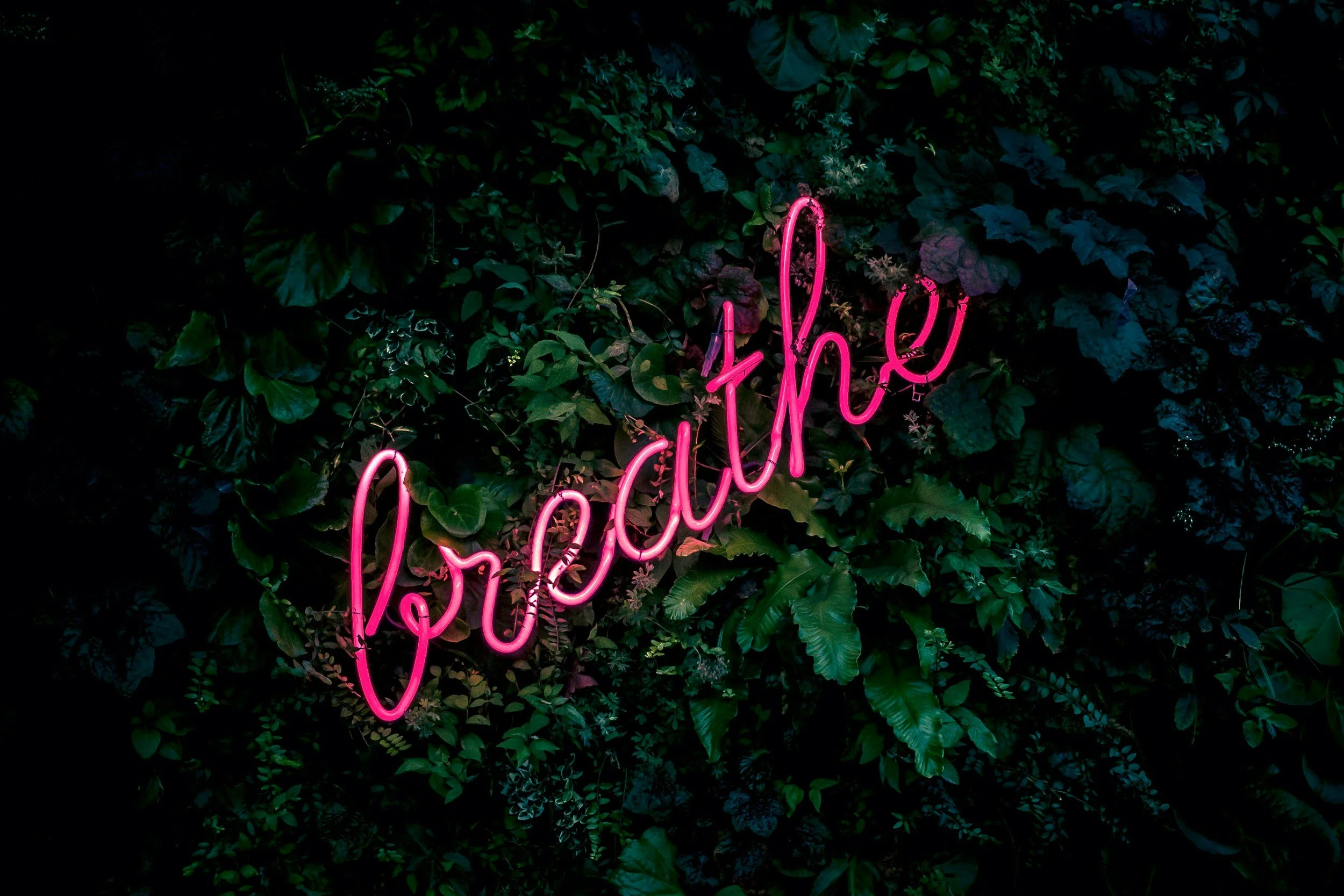
Mindfulness isn’t clearing your mind.
It’s not forcing focus.
It’s not stopping thoughts.
Mindfulness is practicing awareness — noticing what’s happening right now without immediately reacting to it.
In this group or 1 on 1, you’ll learn how to:
Notice “brain noise” without spiraling
Interrupt rumination gently
Use sensory input to calm the nervous system
Build short, repeatable mindful moments into everyday life
Work with distraction instead of fighting it
The craft simply gives your hands something to do so your mind has an anchor.
Many people find that when their hands are engaged, their nervous system settles more easily.
You can come because you:
Like the idea of crafting (even if you’re inconsistent)
Don’t love crafting but want structured pause
Feel overwhelmed by mental clutter
Struggle to slow your thoughts
Need accountability to actually rest
Want mindfulness that feels realistic
No artistic skill required.
No pressure to perform.
No expectation to produce something beautiful.
The focus is regulation, awareness, and self-compassion — not output.